Energy and Climate Resilience
Pursuing abundant, affordable energy while helping communities build the resilience to thrive amid disruption.
Our ambition extends beyond safeguarding existing assets to actively restoring the natural systems that sustain communities: ensuring cleaner air and water, healthier ecosystems and more efficient material use.
Research to advance energy resilience
Our research will advance reliable power generation, strengthen electrical grids against extreme events and equip key industries to lower energy consumption while boosting competitiveness. This work will enhance forecasting models for hurricanes, severe weather and coastal flooding.
Miami serves as an active living laboratory to test and deploy robust solutions for buildings, transportation and water infrastructure under extreme conditions — creating scalable models for coastal cities globally.
Deliver abundant, affordable and reliable energy
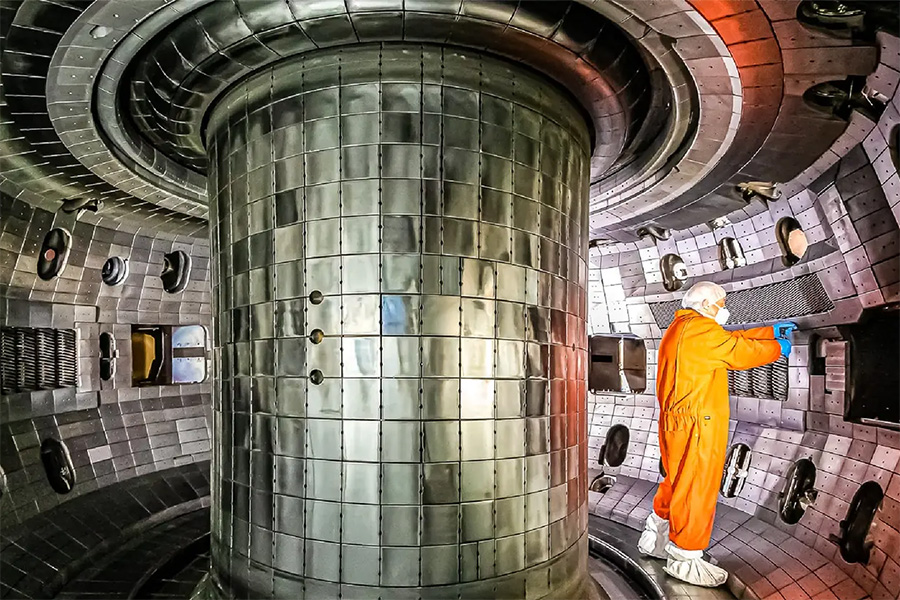
Drive breakthroughs in clean and accessible energy sources — including nuclear, renewables, advanced storage and resilient grid infrastructure designed to maintain continuous power during extreme events.
Photo courtesy of General Atomics.
Advance efficient energy use and strengthen industrial competitiveness
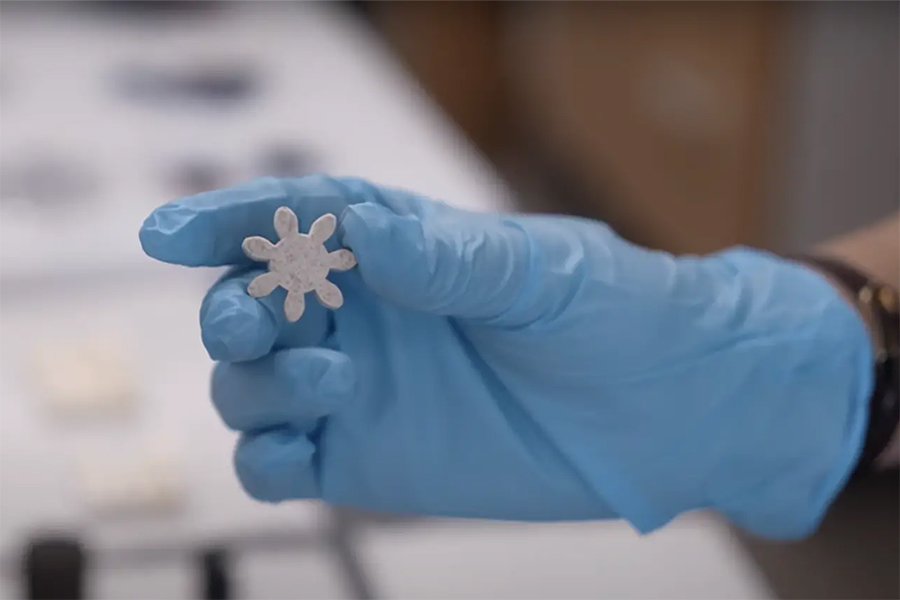
Accelerate the commercial deployment of emerging decarbonization technologies across essential manufacturing sectors — like steel, iron, chemicals and cement — while enhancing energy efficiency in computing and heavy industry.
Make a step change in forecast capabilities for extreme weather events
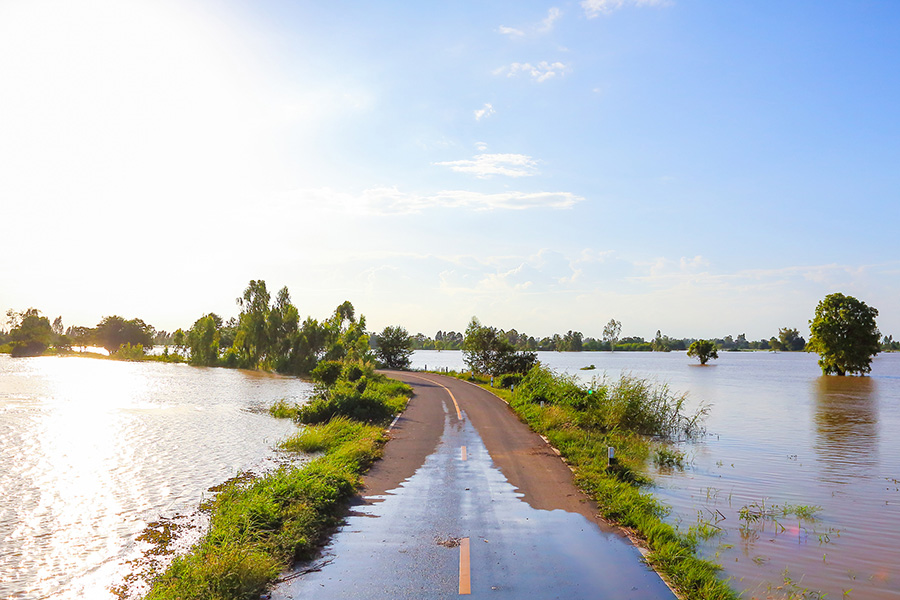
Integrate coupled ocean-atmosphere physics models with advanced AI and data science to significantly improve the accuracy of storm track, intensity and coastal surge predictions.

Make coastal communities safer and more resilient
Partner with the Miami community to pilot scalable innovations across building infrastructure, energy systems, water management and urban mobility.
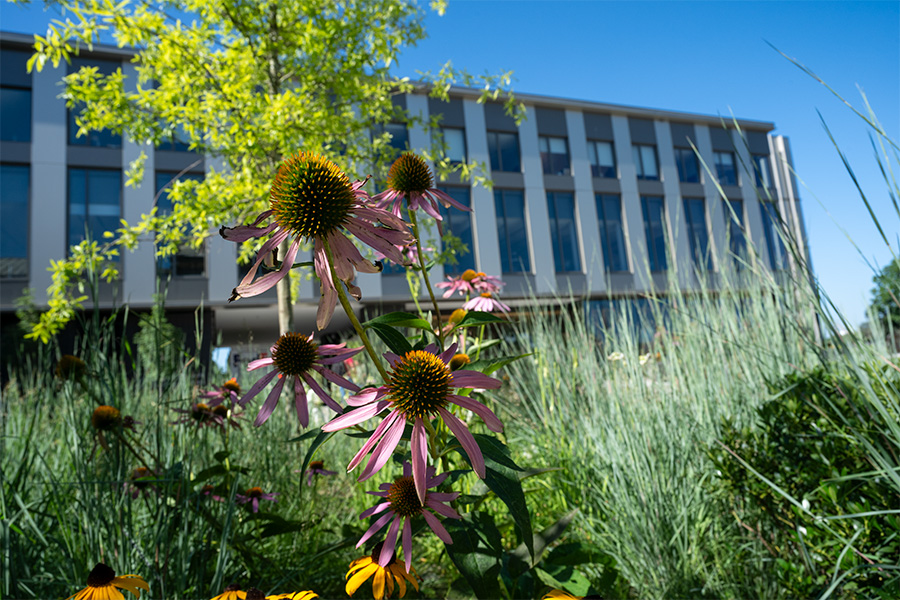
Regenerate natural systems supporting communities
Implement regenerative practices that restore air and water quality, rebuild ecosystems, recover critical materials and harness waste heat locally — guided by multi-decadal predictive computational models.
Energy and Climate Resilience Grand Challenge Area Working Group


- Akshaya Jha, Economics and Public Policy
- Baruch Fischhoff, Engineering and Public Policy, Carnegie Mellon Institute for Strategy & Technology
- Cleotilde (Coty) Gonzalez, Department of Social and Decision Sciences, National AI Institute for Societal Decision Making
- David Rounce, Civil and Environmental Engineering
- Edda Fields-Black, Department of History
- Erica Cochran Hameen, School of Architecture
- Kevin Noonan, Department of Chemistry
- Larry Pileggi, Electrical and Computer Engineering
- Nicholas Muller, Economics, Engineering and Public Policy
- Raj Rajkumar, Electrical and Computer Engineering
- Sayeed Choudhury, Libraries
- Valerie Karplus, Engineering and Public Policy
- Yuvraj Agarwal, Software and Societal Systems, Human-Computer Interaction Institute, Electrical and Computer Engineering
- Paulina Jaramillo, Engineering and Public Policy